
Treatments
PRP hair restoration in North Strathfield
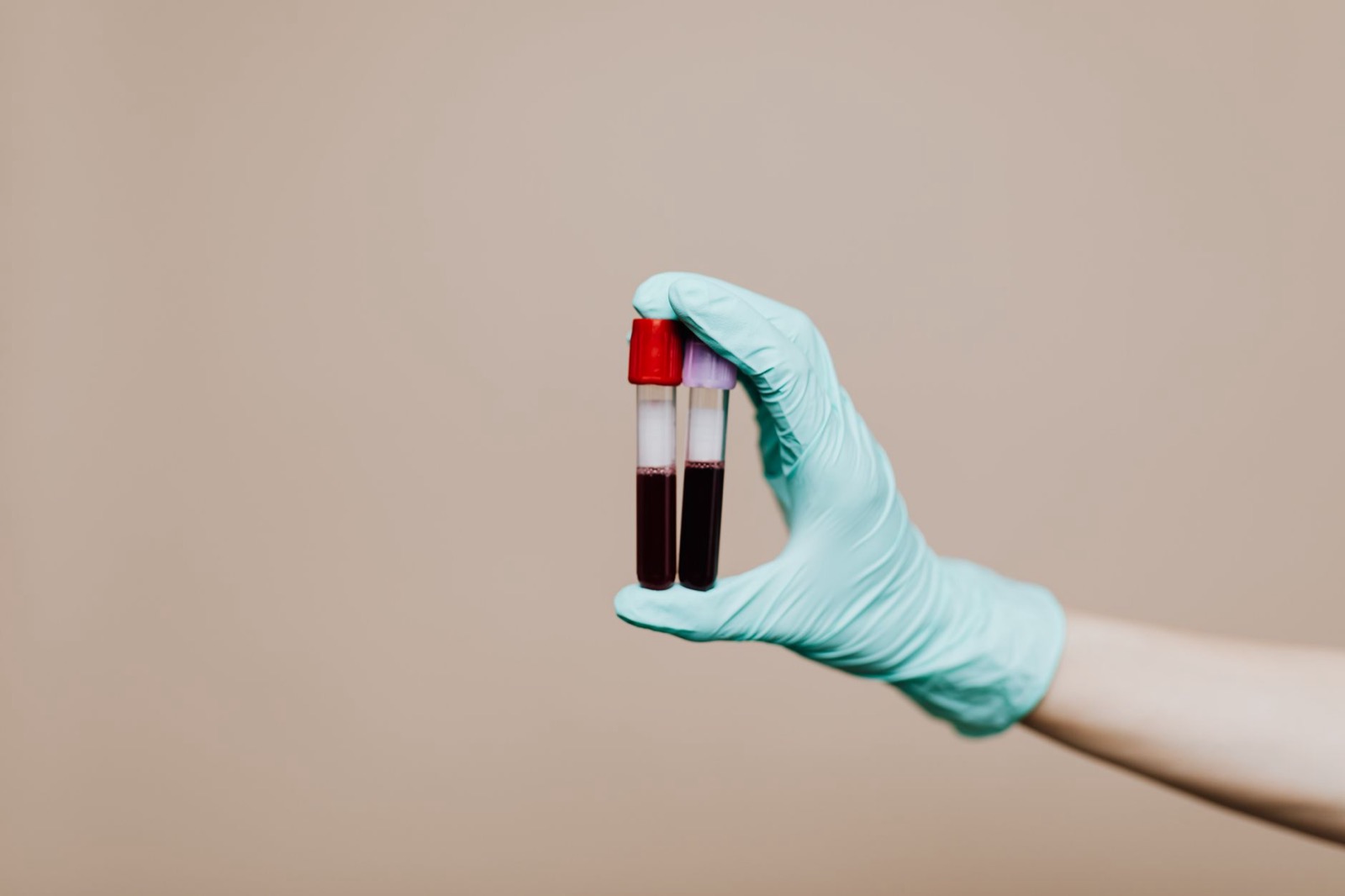
PRP hair restoration uses a small sample of your own blood, prepared so the platelet-rich portion can be reintroduced to the scalp by fine injections to support the follicles' natural growth cycle. At Derma Regen Clinic it is nurse-led and begins with a complimentary hair and scalp consultation, because suitability is personal and results vary.
How PRP works for hair
A small blood sample is taken and spun to concentrate the platelet-rich plasma, which carries the growth factors involved in tissue repair. That portion is then reintroduced across the thinning areas of the scalp in a careful, methodical pass.
- The session takes about an hour, most of it preparation and unhurried technique.
- Because PRP comes from your own blood, it suits people who prefer an approach based on their own biology.
- Hair works in slow cycles, so PRP is planned as a course, reviewed against your own progress photos taken in clinic.
Conditions these treatments support
PRP and PRF hair treatments are used to support hair restoration for conditions such as androgenetic alopecia (male- and female-pattern hair loss), alopecia areata, telogen effluvium and early traction alopecia. Whether treatment suits your type of hair loss is assessed honestly at your complimentary consultation.
Which types of hair loss PRP is used for
PRP is used to support hair restoration where the follicle is still present but weakening. Suitability is personal, assessed at your consultation, and it is not the right approach for everyone.
- Androgenetic alopecia, pattern hair loss in both men and women. This is the most common reason people ask about PRP.
- Alopecia areata, considered case by case and alongside any medical care already in place.
- Telogen effluvium, the diffuse shedding that can follow illness, stress, childbirth or a nutritional change.
- Early traction alopecia, where tension from styling has thinned the hairline but the follicle has not scarred.
Hair loss has many causes and some of them are medical. If your consultation suggests something that should be investigated first, we will tell you and refer you to your GP before any course begins. Results vary from person to person and depend on the cause of the hair loss, how long it has been present, and how consistently a course is completed.
Pricing
PRP hair restoration is from $350 per session, with each session taking about an hour. Where a longer plan suits you, a 6-session hair restoration program is $1,500, agreed at your consultation only if a course is genuinely appropriate for your scalp. Prices are as published on our live booking page, and the consultation itself is complimentary.
Comfort, downtime and aftercare
Most people describe scalp PRP as very manageable, with comfort measures discussed before anything happens. Expect some tenderness and occasionally mild swelling at the treated areas for a day or so. As with any clinical procedure there are risks and recovery considerations, and these are talked through plainly at your consultation before you decide anything. Simple aftercare, including when to wash your hair and train again, is explained clearly. Results vary from person to person.
Will PRP regrow my hair?
No honest clinic promises that. PRP is used to support the follicles you still have; how much difference it makes depends on the cause and stage of your hair loss, which is exactly what the complimentary consultation assesses. Results vary.
How many sessions will I need?
Hair cycles are slow, so a course spaced weeks apart is usual, then maintenance if it is earning its place. Your nurse maps a realistic plan rather than a fixed promise.
Does it hurt?
Most people find it very manageable. Comfort options are discussed beforehand so you know exactly what to expect.
How booking works
Consultation-first, always
Your care is designed to respect TGA and AHPRA guidance, with the same high standard of service throughout. For any medical aesthetic concern you start with a consultation, so your plan is built around you, honestly and in person.
Clinical evidence and references
The information on this page is based on published research investigating platelet-rich plasma (PRP) for androgenetic alopecia (pattern hair loss). Individual treatment response and timing vary, and no outcome is guaranteed.
- Zhang X et al. (2023). Platelet-Rich Plasma for Androgenetic Alopecia: A Systematic Review and Meta-Analysis of Randomized Controlled Trials. Journal of Cutaneous Medicine and Surgery. Systematic review and meta-analysis of 9 randomised controlled trials, 238 patients. Hair density was significantly higher than placebo at 3 and 6 months. Hair count and diameter improved from baseline but were not significantly different from placebo. No serious adverse reactions reported. View study (PubMed 37533146)
- Li M et al. (2024). Effectiveness of Platelet-Rich Plasma in the Treatment of Androgenic Alopecia: A Meta-Analysis. Aesthetic Plastic Surgery. Meta-analysis of 10 randomised trials. Hair density was significantly higher with PRP than control; hair diameter was not. The effect on density was stronger in male-only trials. View study (PubMed 37644190)
- Rodrigues BL et al. (2019). Treatment of male pattern alopecia with platelet-rich plasma: A double-blind controlled study with analysis of platelet number and growth factor levels. Journal of the American Academy of Dermatology. 26 men, randomised, double-blind, PRP versus saline, four injections. Significant improvements versus control in hair count, hair density and the proportion of growing (anagen) hairs, assessed after treatment and again 3 months after the final injection. View study (PubMed 30287324)
- Dubin DP et al. (2020). The effect of platelet-rich plasma on female androgenetic alopecia: A randomized controlled trial. Journal of the American Academy of Dermatology. 30 women, randomised PRP versus saline at weeks 0, 4 and 8. At week 24, blinded photographic review found improvement in 57% of PRP patients versus 7% on placebo; objective density and calibre measures also favoured PRP. View study (PubMed 32649961)
- Alves R, Grimalt R (2016). Randomized Placebo-Controlled, Double-Blind, Half-Head Study to Assess the Efficacy of Platelet-Rich Plasma on the Treatment of Androgenetic Alopecia. Dermatologic Surgery. 25 patients, half-head placebo-controlled design, three monthly treatments. At six months the PRP side showed significantly greater hair density than the control side. View study (PubMed 27035501)
- Shapiro J et al. (2020). Evaluation of platelet-rich plasma as a treatment for androgenetic alopecia: A randomized controlled trial. Journal of the American Academy of Dermatology. 35 patients, split-scalp PRP versus saline, three monthly sessions. PRP-treated areas gained roughly 20 hairs per square centimetre from baseline, but the placebo side also improved and the difference between the two was not statistically significant. Included so the picture is complete: the evidence supports PRP for density, with real limits. View study (PubMed 32653577)